Understanding Psychosis: Signs, Causes, and When to Seek Help
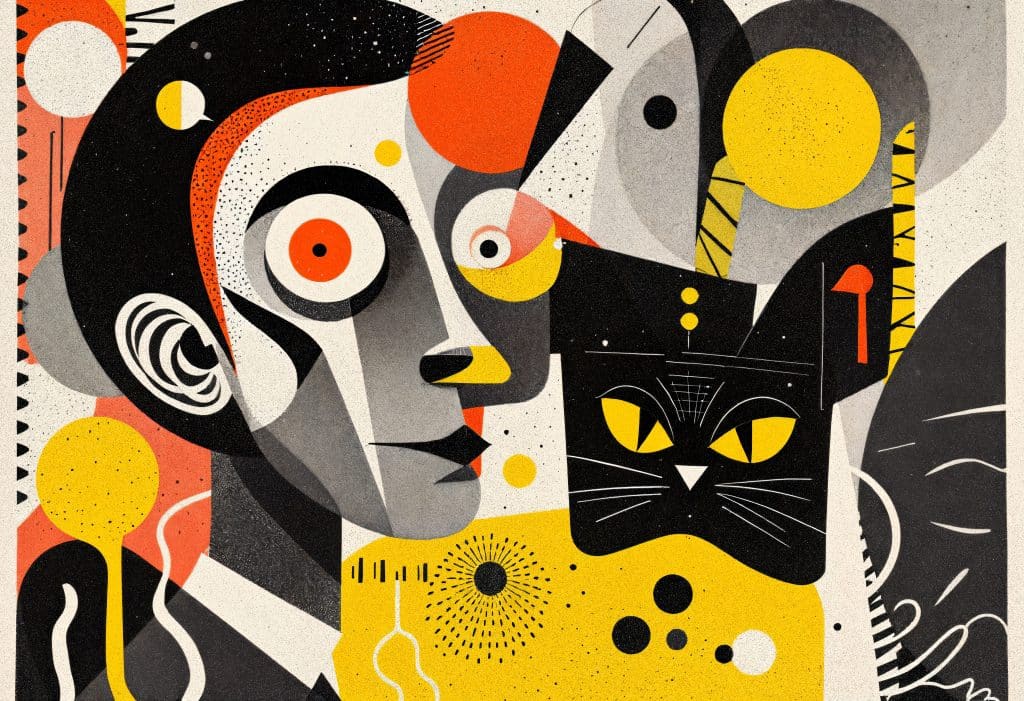
Psychosis is a serious mental health condition that can be frightening and confusing, both for the person experiencing it and for the people around them. When someone is experiencing psychosis, they may have difficulty distinguishing between what is real and what is not. This can affect their thoughts, perceptions, emotions, and behavior.
For families and loved ones, psychosis can feel alarming, especially when it appears suddenly or is linked to drug use, severe stress, or an underlying mental health condition. The good news is that psychosis can be treated, and early professional support can make a meaningful difference.
At Horizon Rehab Center, in association with Burana Hospital and supported by a professional medical team, we are able to provide care for individuals who may be experiencing psychosis as part of a broader mental health or substance-related presentation.
What Is Psychosis?
Psychosis is not a diagnosis in itself. Rather, it is a term used to describe a group of symptoms in which a person’s sense of reality becomes significantly disrupted.
A person experiencing psychosis may:
- hear, see, or believe things that others do not
- become highly suspicious or fearful
- appear confused or disconnected from reality
- have difficulty organizing thoughts or communicating clearly
- behave in ways that seem unusual, irrational, or out of character
Psychosis can come on gradually or appear more suddenly, depending on the cause.
Common Signs and Symptoms of Psychosis
Psychosis can look different from person to person, but some common signs and symptoms include:
Changes in Thinking
- unusual or strongly held beliefs that do not seem based in reality
- suspiciousness or paranoia
- confused, disorganized, or illogical thinking
- difficulty concentrating or following conversations
Changes in Perception
- hearing voices or sounds that others do not hear
- seeing things that others do not see
- misinterpreting ordinary events as highly significant or threatening
Emotional and Behavioral Changes
- increased fear, agitation, or restlessness
- withdrawal from family, friends, or normal activities
- marked changes in mood or personality
- speaking in a way that is difficult to follow
- neglect of self-care or daily responsibilities
- unusual behavior that seems disconnected from the situation
In some cases, the person may not realize that anything is wrong. This can make it harder for them to seek help on their own.

What Can Cause Psychosis?
Psychosis can happen for a number of different reasons. It is important not to jump to conclusions, as the underlying cause can vary significantly from one person to another.
Possible causes may include:
- severe mental health conditions
- drug or alcohol use
- withdrawal from certain substances
- extreme stress
- sleep deprivation
- medical conditions affecting the brain or body
- neurological issues
- certain medications
Because psychosis can have both psychiatric and medical causes, professional assessment is essential.
Drug-Induced Psychosis
Drug-induced psychosis occurs when psychotic symptoms are triggered by substance use, substance intoxication, or withdrawal. This can happen with a range of substances, but it is more commonly associated with stimulants, cannabis, hallucinogens, synthetic drugs, and sometimes heavy or prolonged substance misuse.
Drug-induced psychosis may involve:
- paranoia
- hearing voices
- severe agitation
- confusion
- suspicious or bizarre beliefs
- disorganized behavior
In some cases, the symptoms reduce after the substance leaves the system and the person stabilizes. In other cases, substance use may trigger a more prolonged mental health episode or uncover an underlying vulnerability to psychosis.
This is one reason why psychosis linked to substance use should always be taken seriously. It is not something families should assume will simply pass on its own without support.
Psychosis and Schizophrenia
One of the most common misunderstandings about psychosis is that it automatically means schizophrenia. This is not the case.
Psychosis is a symptom cluster, while schizophrenia is a specific mental health disorder. A person can experience psychosis for many different reasons without having schizophrenia.
Schizophrenia is a long-term psychiatric condition that may include psychosis, but it also involves broader difficulties in thinking, perception, emotional expression, and functioning over time.
Not everyone who experiences psychosis has schizophrenia, and not all psychotic episodes lead to a chronic condition. Proper assessment is important in understanding what is happening and what kind of treatment is needed.

When Should You Be Concerned About a Loved One?
It can sometimes be difficult to tell the difference between stress, intoxication, emotional overwhelm, and something more serious. Families should be concerned when a loved one shows significant changes in thinking, perception, or behavior that suggest they may be losing touch with reality.
Warning signs may include:
- strong paranoia or fearful suspiciousness
- hearing or seeing things that are not there
- talking in a confused or disorganized way
- acting bizarrely or unpredictably
- becoming increasingly agitated or distressed
- withdrawing completely from others
- marked personality or behavioral changes
- difficulty recognizing what is real
- inability to care for themselves safely
Even if you are unsure whether it is psychosis, it is better to seek professional advice than to wait until the situation worsens.
How to Respond to Someone Who May Be Experiencing Psychosis
When someone may be experiencing psychosis, the way others respond can make a difference. It is usually most helpful to remain calm, avoid arguing about what is real, and focus on safety and support.
Helpful approaches include:
- speaking calmly and clearly
- reducing noise, conflict, and overstimulation
- avoiding confrontation or ridicule
- listening without trying to force agreement
- encouraging professional assessment as soon as possible
- seeking urgent help if the person appears highly distressed, confused, or unsafe
Families often feel unsure of what to do, especially when the person resists help. In these situations, professional guidance can be very important.
How Horizon Rehab Center Can Help

At Horizon Rehab Center, we understand that psychosis can be deeply distressing for both individuals and families. When psychosis occurs alongside substance use, mental health difficulties, or emotional instability, it often requires a treatment setting that can provide both therapeutic support and medical oversight.
Through our association with Burana Hospital and access to a professional medical team, Horizon is able to support individuals who may be experiencing psychosis and who require a higher level of clinical attention.
This can be particularly important when:
- psychosis may be linked to substance use
- symptoms are severe or worsening
- medical assessment is needed
- psychiatric stabilization is a priority
- a person requires close monitoring and coordinated care
Our role is to help ensure that clients receive appropriate support in a setting that takes both mental health and physical safety seriously.
The Importance of Early Intervention
Psychosis should never be ignored. The earlier a person receives proper assessment and support, the better the chances of stabilization and recovery. Delayed treatment can allow symptoms to become more severe, more disruptive, and more frightening for everyone involved.
Early intervention can help:
- clarify the cause of symptoms
- reduce risk and instability
- support medical and psychiatric treatment
- improve the likelihood of recovery
- help families better understand how to respond
If a loved one seems to be losing touch with reality, it is important to take it seriously and seek professional help.
Seeking Help for Psychosis
Watching someone experience psychosis can be frightening and overwhelming. Families often feel uncertain, helpless, or unsure whether the situation is serious enough to act. In most cases, it is better to seek help early rather than wait for symptoms to escalate.
At Horizon Rehab Center, we provide compassionate, professional support for people experiencing complex mental health and substance-related difficulties. In association with Burana Hospital and a professional medical team, we are able to help assess and support individuals who may be experiencing psychosis and require a more integrated level of care.
If you are concerned about a loved one, reaching out for advice may be the first step toward safety, stabilization, and recovery.
Contact Horizon Rehab Center to learn more about support options for psychosis, substance-related mental health concerns, and psychiatric stabilization.